
AI may be capturing most of the attention now—changing priorities, shifting investments, and increasing pressure to act. Its influence is real. But at Ziba, we’ve witnessed versions of this moment happen over forty years.
During that time, we’ve observed that moments of disruption often unlock the most meaningful innovation. Many of our most enduring, category-defining projects started during periods that appeared uncertain from the outside but were full of potential on the inside.
Every major technology wave, from the internet to mobile, cloud, social platforms, and automation, has brought the same mix of promise and anxiety. And beneath the noise, organizations have faced the same questions:
Where will growth come from next? What should we build? How do we remain relevant? What will our customers genuinely value?
The organizations that succeed through these cycles don’t conflate technology with strategy. They view technology as a catalyst. They remain focused on the people they serve, the critical problems to solve, and the experiences that generate lasting value. They adapt with intention, not out of panic.
Many tend to over-rotate toward the newest tool or trend. They pursue the technology itself and lose sight of the human and experiential drivers of value. They act quickly, but not forward. And when the hype recedes, as it always does, they’re left without the foundation to adapt.
AI is transformative, but it doesn’t replace foundational truths. Growth still comes from clarity of purpose, meaningful experiences, and offerings designed around real human needs.
So the question becomes:
How do organizations achieve meaningful growth in a noisy, fast-paced, uncertain competitive environment? It starts with action—decisive, intentional, well-timed action.
The companies that succeed during uncertainty don’t wait for stability. They act with purpose, plan with discipline, and remain focused on human needs while leveraging technology thoughtfully.
Below are seven strategies, shaped by our decades of navigating market cycles, that help organizations grow not despite uncertainty, but because of it.
Seven Moves Toward Designed Resilience

1. Treat Uncertainty as Insight, Not Interruption
Periods of turbulence reveal emerging behaviors long before they appear in traditional market research. Organizations that observe closely, not defensively, identify growth opportunities earlier than competitors. During the 2008 financial crisis, Spotify saw shifts in music consumption, piracy, mobile usage, and subscription fatigue as signs of a new model. While the industry froze, Spotify responded proactively, laying the groundwork for the global streaming ecosystem.
Where AI plays a role:
AI surfaces weak signals, shifts in sentiment, and emerging patterns across vast datasets, helping teams detect opportunities in the noise rather than waiting for certainty.

2. Redefine Relevance Through Customer-Centered Value
When needs change quickly, existing value propositions rapidly lose their relevance. Organizations that reassess what customers genuinely value create new relevance, while competitors hold on to outdated assumptions.
After the dot-com crash, Amazon didn’t double down on expansion; it doubled down on fundamentals: selection, price, and customer experience. By redefining what mattered, they built the foundation for long-term dominance in e-commerce and beyond.
Where AI plays a role:
AI helps uncover evolving needs and preferences faster, but design is what turns those insights into meaningful new expressions of value.

3. Build Experience Systems That Can Bend, Not Break
Rigid experiences fail in unpredictable conditions. Flexible systems, which are modular, adaptable, and based on clear principles, can pivot quickly without losing coherence. Starbucks developed a mobile-first, loyalty-driven experience long before it became common. When the pandemic hit and physical locations shut down, this system adapted: mobile ordering, curbside pickup, and personalized digital engagement kept the brand connected and resilient.
Where AI plays a role:
AI enables real-time adaptation, dynamic personalization, predictive journeys, and optimized support, within systems designed to flex.

4. Use Ambiguity to Reimagine — Not Incrementally Improve Offerings
In uncertain times, small improvements rarely provide an advantage. The most resilient organizations use ambiguity to rethink what they offer and how they deliver value. Amid the disruption caused by ridesharing, companies like Lime and Bird didn’t just make minor changes to existing mobility services; they created an entirely new category: dockless micromobility. Ambiguity became the catalyst for reinvention.
Where AI plays a role:
AI accelerates exploration, modeling, and variation generation, supporting deeper and faster offering innovation without dictating the direction.
5. Focus Investment on the High-Leverage Moments That Shape Loyalty
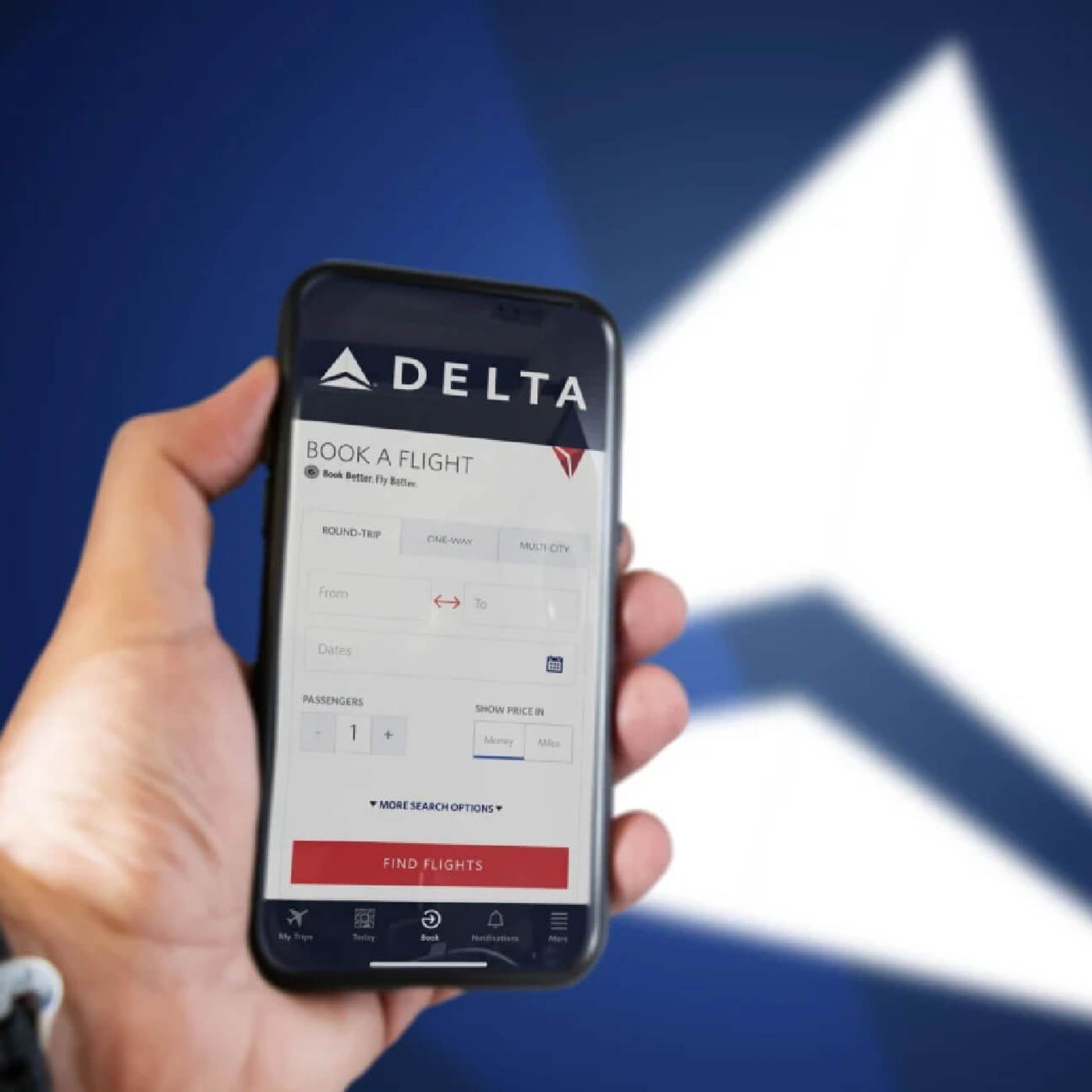
When resources shrink, spreading investments thin reduces impact. Focusing on the moments that significantly influence loyalty generates outsized returns. Delta Air Lines identified real-time rebooking, transparent and empathetic communication, and reliable service recovery as the key moments that most shaped loyalty. By strengthening those specific interactions, Delta improved its NPS and market trust even without expanding its overall experience offerings.
Where AI plays a role:
AI identifies friction points, predicts high-value moments, and supports personalization, ensuring investment flows to interactions that truly matter.

6. Build Optionality into Strategy Through Multi-Path Futures
Organizations lose momentum when they commit too early to a single path. Multi-path futures enable teams to act decisively while retaining the flexibility to pivot. Before streaming was mainstream, Netflix explored various models: DVDs, digital licensing, original content, and global distribution. This flexibility allowed them to evolve continuously as technology and consumer behavior shifted.
Where AI plays a role:
AI tests assumptions, models scenarios, and evaluates futures quickly—empowering organizations to maintain flexibility without losing direction.

7. Accelerate Learning Cycles With Fast, Lightweight Prototyping
In uncertain times, learning quickly is more important than acting fast. Rapid prototyping lowers risk, clarifies the way forward, and enhances momentum. Apple has historically used rapid, iterative prototyping to develop transformative products, from the iPod to the iPhone to the Watch. This quick cycle of learning, not just execution, has enabled them to create entirely new categories.
Where AI plays a role:
AI accelerates prototyping by generating variations, simulating interactions, and analyzing user feedback at a pace impossible before.
Design What Comes Next
At Ziba, we’ve learned that uncertainty doesn’t limit what organizations can create; it sharpens it. Some of our most impactful work has come from moments like this, when companies are willing to rethink value, reimagine experiences, and design for what’s next. Conditions may be unpredictable, but the opportunity remains real. When organizations act with clarity and purpose, these moments can shape their future.
When clarity, coherence, and human-centered innovation come together, growth becomes intentional, resilient, and repeatable—no matter the circumstances.
We welcome the opportunity to share perspectives on how intentional action could unlock your next phase of growth, contact us.


